Why Climate Solutions Need Farmers, Scientists and Everyday Australians
- Posted on July 14, 2026
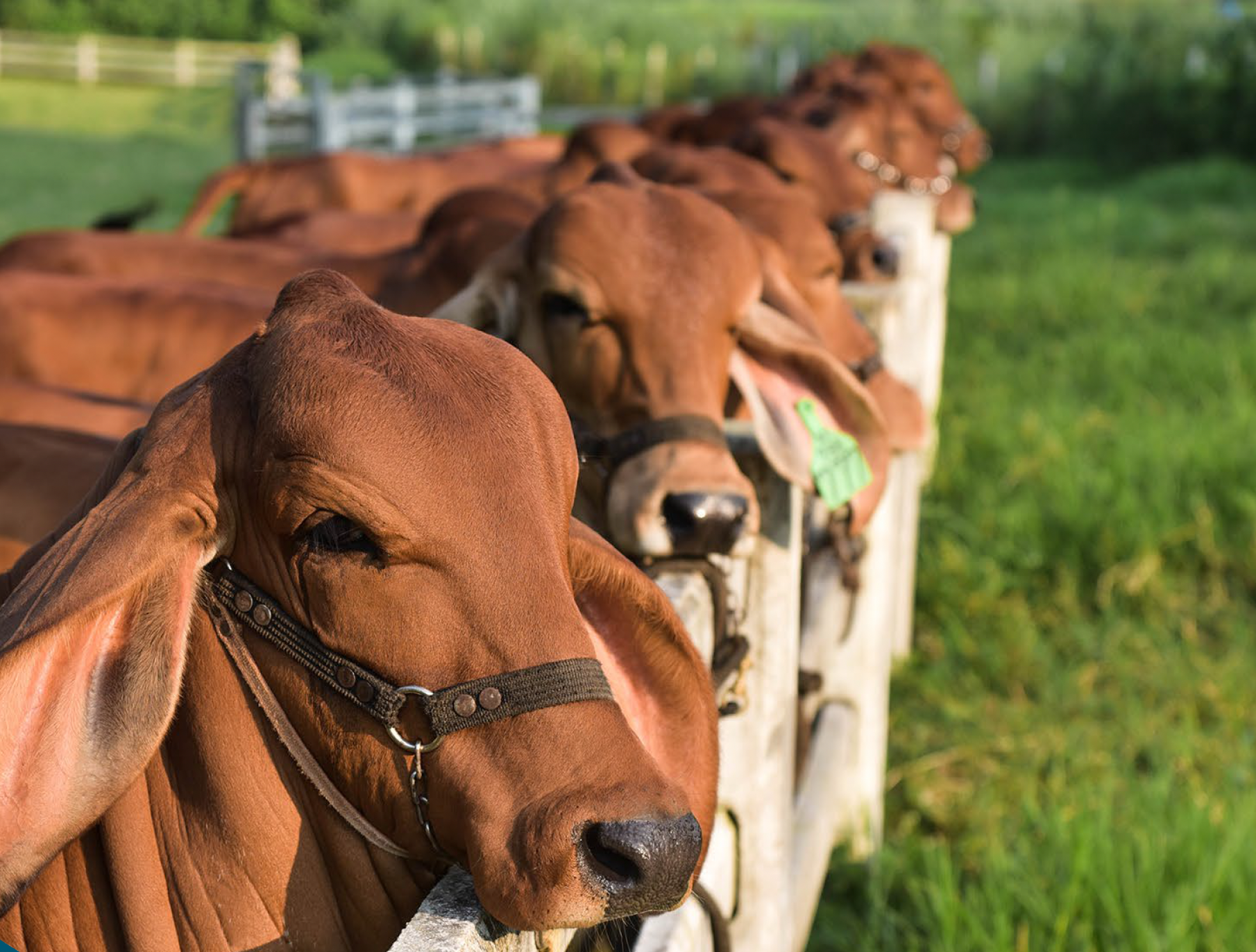
When you think about climate action, what comes to mind?
Maybe it’s recycling, electric cars or switching off the lights before you leave the house.
These everyday actions absolutely matter. But they’re only part of the story.
Some of the biggest opportunities to reduce emissions are happening far beyond our homes: in paddocks, research labs and regional communities across Australia.
The reality is that climate change isn’t something one person, one industry or one solution can fix alone. Real progress happens when different people bring different strengths to the table.
Farmers Are Already Part of the Solution
Australian farmers have always been innovators.
Every season brings new challenges, from droughts and floods to changing markets and rising costs. Finding smarter ways to farm isn’t new; it’s simply part of the job.
Today, that innovation also includes reducing emissions.
Across Australia, producers are adopting new technologies and management practices that help improve productivity while lowering their environmental impact. From improving pasture management to reducing livestock methane emissions, agriculture is becoming an important part of Australia’s climate future.
Agriculture contributes approximately 18% of Australia's total greenhouse gas emissions, with methane from livestock accounting for the largest share of agricultural emissions¹. This highlights why improving livestock production efficiency and reducing methane emissions can make a meaningful contribution to Australia's climate goals.
Research has shown that methane-reducing feed technologies can reduce enteric methane emissions by up to 98% under ideal conditions, while maintaining animal productivity¹.
For instance, Australian dairy production has already reduced methane intensity by approximately 40% over the past three decades through improvements in productivity, feeding and genetics².
Climate action doesn’t mean asking farmers to produce less.
It means helping them produce more sustainably.
Scientists Turn Ideas Into Real-World Solutions
Behind every climate solution is years of research.
Scientists spend decades studying emissions, testing technologies and finding practical ways to reduce our impact without compromising the industries we rely on.
One area attracting increasing attention is methane.
Methane has more than 80 times the warming effect of carbon dioxide over a 20-year period, but it has a much shorter atmospheric lifetime (around 12 years). This means reducing methane emissions can slow the rate of warming more quickly than many long-lived greenhouse gases³.
The science is there.
The challenge is turning research into action.
Research has shown that some methane-reducing technologies can lower enteric methane emissions by 20–90%, depending on the technology, diet and production system, while maintaining or even improving animal productivity⁴.
That’s Where Everyday Australians Come In
You don’t need to own a farm or work in climate science to make a difference.
Supporting verified climate projects helps innovative solutions move from research into real-world adoption.
When everyday Australians choose to back projects making measurable environmental improvements, they’re helping farmers access the tools and technologies that create lasting change.
Every contribution becomes part of something much bigger.
Better Together
Climate change is one of the biggest challenges we’ll face, but it’s also one of the greatest opportunities to work together.
Scientists develop the solutions.
Farmers put them into practice.
Everyday Australians help make them possible.
That’s the idea behind CleverCow.
By supporting verified Australian methane reduction projects, our members help connect innovation with action, creating real climate impact where it’s needed most.
Meaningful climate action isn’t about one person doing everything.
It’s about all of us doing our part.
Every tonne of methane reduced helps lower agriculture's climate footprint while supporting productive and profitable farming systems.
Sources
1 https://www.dcceew.gov.au/climate-change/emissions-reduction/agricultural-land-sectors/livestock?utm_source=chatgpt.com
2 Moate, P.J., Deighton, M.H., Williams, S.R.O., Pryce, J.E., Hayes, B.J., Jacobs, J.L., Eckard, R.J., Hannah, M.C. and Wales, W.J., 2016. Reducing the carbon footprint of Australian milk production by mitigation of enteric methane emissions. Animal Production Science, 56(7), pp.1017-1034.
3 https://www.dcceew.gov.au/sites/default/files/documents/national-inventory-report-2022-volume-1.pdf
4 Hristov, A.N., Melgar, A., Wasson, D. and Arndt, C., 2022. Symposium review: Effective nutritional strategies to mitigate enteric methane in dairy cattle. Journal of dairy science, 105(10), pp.8543-8557.